Potted Monstera Plant Redwork: A Fresh Embroidery Choice for Small Business Branding
First Impressions: Friendly, Modern, and Versatile
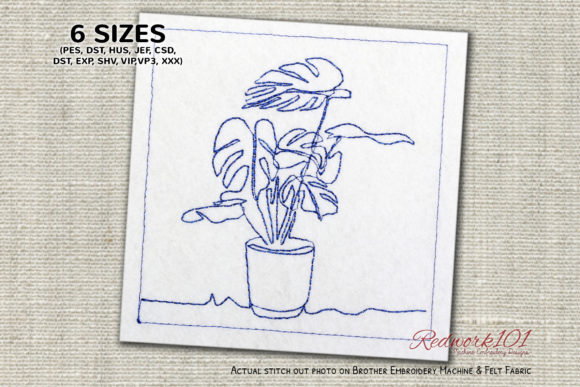
As an embroidery designer evaluating the Potted Monstera Plant Redwork, my first thought is that this design carries a clean, modern aesthetic with a touch of botanical charm. The title suggests a stylized, potted plant motif, and the redwork technique implies crisp lines and minimal shading. This gives the design a handmade yet professional feel—ideal for small businesses looking to add a touch of personality without overwhelming their brand visuals.
It reads as friendly and approachable, making it well-suited for cafes, boutiques, florists, and creative studios. It doesn’t scream luxury or formality, but rather leans into a casual, contemporary vibe that resonates with today’s consumer preferences for authenticity and warmth.
Real Business Use: From Patches to Product Branding
The Potted Monstera Plant Redwork is versatile enough to be used across a variety of small business merchandise. Here’s how it performs in real-world applications:
- Embroidered Patches: This design is a strong candidate for patches, especially when used as a branded accent on tote bags, jackets, or aprons. The clean lines and defined silhouette make it easy to trace and stitch cleanly at common patch sizes.
- Staff Uniforms: As a chest or sleeve accent, it adds a subtle yet memorable branding touch. It works particularly well on casual uniforms like chef aprons or boutique staff shirts, where a botanical motif supports the brand’s visual story.
- Cap Embroidery: While the design may need scaling down for front cap placement, its clear outlines should hold up well on structured caps, especially when stitched in a contrasting thread color.
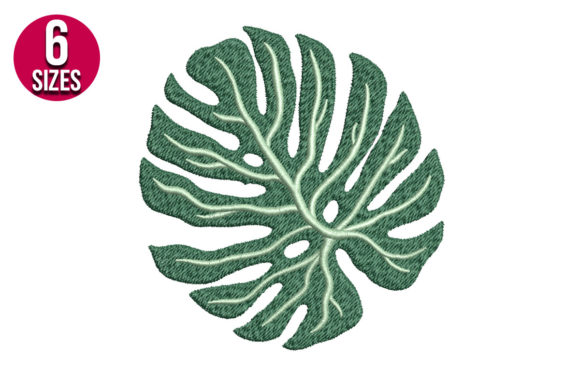
- Tote Bags & Aprons: These are ideal canvases for this design. The monstera leaf’s natural shape fills space nicely without appearing cluttered, making it a standout on linen or canvas materials.
- Product Packaging Accents: When used on embroidered tags or sewn-in labels, the design adds a handmade, premium touch that elevates even simple product packaging.
Where to Use with Caution
While the Potted Monstera Plant Redwork has a lot going for it, there are a few areas where designers and small business owners should proceed carefully:
- Small Patch Sizes: At very small dimensions, the fine lines of the plant stem or pot may not stitch clearly. Always test at intended size before bulk production.
- Cap Fronts: Curved surfaces can distort fine details. Ensure the design is digitized for proper stitch direction and coverage on rounded areas.
- Dark Uniforms: Redwork typically uses a single thread color, so if the background is dark, the design may not stand out enough unless a light or contrasting thread is selected.
- High Stitch Density: If the design includes filled areas, check for excessive density that may cause stiffness or fabric puckering, especially on lightweight materials.
- Textured Fabric: On materials like denim or twill, fine details may get lost. Consider using a bolder thread color or adding a small outline for better definition.
Brand Identity and Visual Consistency
For small businesses, consistent branding is key—and the Potted Monstera Plant Redwork offers a subtle but effective way to reinforce visual identity. Its botanical theme supports brands rooted in nature, wellness, sustainability, or artisanal craftsmanship.
When used across multiple touchpoints—like tote bags, staff uniforms, and product tags—it creates a cohesive visual language that customers can recognize and connect with. This helps build trust and makes your merchandise feel intentional and professionally curated.
For Etsy sellers or handmade brands, this design bridges the gap between mass-produced and custom-made. It gives the impression of a tailored product without the complexity of multi-color embroidery, which is ideal for small batch production.
Practical Notes for Embroidery Designers
Before putting the Potted Monstera Plant Redwork into commercial use, here are a few key steps I recommend taking:
- Test in Black and White First: This helps identify clarity issues in the design before committing to color thread choices.
- Check Small Patch Performance: Resize the design to the intended patch dimensions and stitch a sample to ensure all details remain legible.
- Review Thread Color Contrast: Especially important for dark fabrics—consider using a white or yellow thread for better visibility.
- Inspect Spacing and Stitch Direction: Make sure lines are well-spaced and stitches are laid in a way that prevents distortion on curved surfaces.
- Confirm Hoop Size and Fabric Compatibility: Match the design to the appropriate hoop and ensure it will fit your machine’s capabilities.
- Test on Real Fabric: Always stitch a sample on the actual material you’ll be using to evaluate how the design performs in real-world conditions.
- Use Proper Stabilizer: For soft or stretchy materials, use a lightweight cutaway or tear-away stabilizer to prevent shifting or distortion.
- Create a Printable Mockup: Show clients how the design will look on the finished product using digital mockups before stitching begins.
- Compare with Other Design Assets: Ensure this design works visually alongside your other logos and branding elements for consistency.
- Confirm Commercial Licensing: Check that the design allows for commercial use and resale, especially if you’re creating merchandise for clients or your own small business line.
Final Thoughts: A Smart Addition to Your Embroidery File Collection
The Potted Monstera Plant Redwork is a thoughtful, flexible embroidery file that small business owners and embroidery professionals can use confidently across a variety of branded merchandise. It brings a botanical, handmade aesthetic that’s both modern and approachable—perfect for businesses that want to connect with customers through design.
Whether you're creating embroidered patches for a local florist, designing aprons for a café, or adding a branded touch to tote bags for a boutique, this design offers a clean, professional look with a personal touch. Just remember to test thoroughly, choose your thread and fabric carefully, and always ensure the design aligns with your brand’s visual identity.