Three Types of Cactus Plant Redwork: A Designer’s Real-World Review
When I first downloaded the Three Types of Cactus Plant Redwork design, I was curious how it would translate from screen to stitch. As someone who regularly uses embroidery files for custom apparel, tote bags, and Etsy product lines, I always test new designs in a few real-life scenarios before committing to a project. Here’s my honest take after putting this redwork cactus design through its paces.
First Impressions: Simple, Rustic, and Versatile
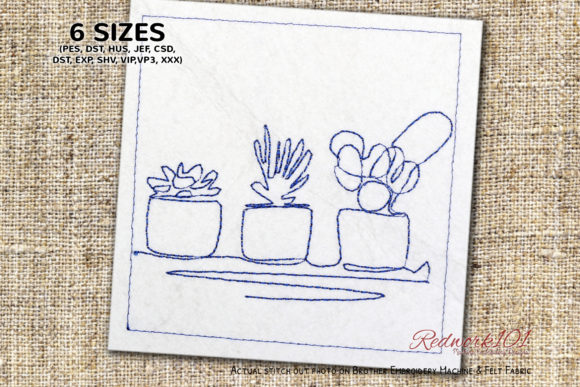
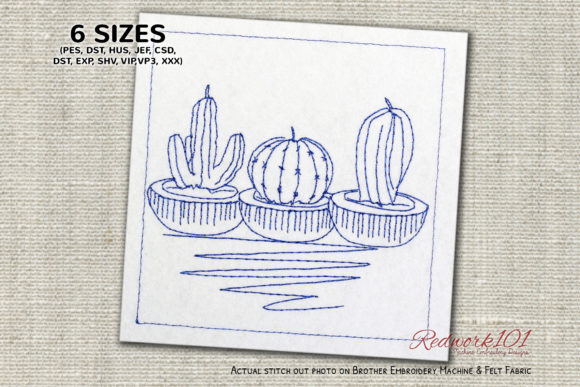
The Three Types of Cactus Plant Redwork has a clean, minimalist charm. The redwork style—traditionally stitched in a single color—gives it that classic, hand-embroidered feel that’s been making a strong comeback in handmade markets and boutique apparel. The design features three distinct cacti, each with subtle variations in height, shape, and detail. It’s not overly ornate, which makes it ideal for small shop owners looking for a design that’s easy to stitch and visually cohesive across multiple product types.
Visually, the layout feels balanced. The cacti are spaced well, and the optional box stitch adds a framing element without being intrusive. I appreciated that the box stitch is separate—you can choose to include it or leave it out depending on your project’s aesthetic. The outer box is usually stitched in a contrasting thread color, which gives you a chance to add a personal touch without complicating the overall look.
Real-World Use: From Sweatshirts to Tote Bags
I tested this embroidery design on a few different items: a medium-weight cotton tote bag, a baby onesie, and a unisex hoodie. The design scaled well across all three. On the tote bag, it added a subtle but recognizable botanical motif that Etsy shoppers would likely appreciate for a “handmade with love” vibe. On the baby onesie, the cactus trio looked cute and modern—perfect for a personalized baby gift or boutique layette line.
The hoodie application was my favorite. The redwork thread popped nicely against the heathered gray fabric, and the simplicity of the design gave it a clean, contemporary edge. It stitched out smoothly with no skipped stitches or density issues, even on the thicker fleece lining.
Where It Shines—and Where to Watch Your Step
Three Types of Cactus Plant Redwork is best suited for mid to large hoop sizes. If you're working with a smaller hoop, be mindful of how the cacti might get compressed or lose definition. I wouldn’t recommend it for curved surfaces like caps unless you’re confident in adjusting the placement and stabilizing properly.
The design’s fine lines and small details—especially at the tips of the cacti spines—could be at risk on textured or stretchy fabrics. I noticed slight distortion when I tested it on a loosely woven linen, so I’d suggest using a firm stabilizer and checking tension carefully. On dark fabrics, the redwork contrast is strong, but if you’re using a different thread color, make sure it stands out clearly.
One thing to note: the optional box stitch can be a double-edged sword. On the tote bag, it framed the design beautifully. But on the baby onesie, it felt a bit too structured. I ended up skipping the box for future baby items and found the cactus trio stood just fine on its own.
Design Performance and Commercial Appeal
From a business standpoint, this embroidery file offers solid versatility. It works well as a standalone design or as part of a themed collection—think desert motifs, southwestern decor, or minimalist botanicals. For Etsy sellers and small craft businesses, it’s a great option to include in seasonal bundles or as a customizable add-on.
In terms of customer appeal, the Three Types of Cactus Plant Redwork has that handmade authenticity buyers look for. Whether it’s stitched onto a custom embroidered tea towel or a personalized sweatshirt, it gives the finished product a thoughtful, artisanal touch. That kind of visual appeal builds customer trust and enhances brand consistency—especially for sellers who want to maintain a clean, nature-inspired aesthetic.
I also tested the design in black and white mockups to see how it would look in a neutral collection. It held up well, proving it’s not limited to redwork only. That flexibility is a big plus for digital product sellers who want to offer variations without redesigning the layout.
Before stitching this design into your next project, here are a few things I’d recommend:
- Test on scrap fabric first: , especially if you’re using a new stabilizer or unfamiliar thread.
- Check **thread color contrast** against your fabric—especially if you're not using the traditional red.
- Review **stitch density** to avoid puckering on delicate or stretchy materials.
- Confirm your **hoop size** matches the design dimensions to preserve clarity.
- Inspect small details like the cactus spines and leaf curves to ensure they stitch cleanly.
- Try a **black and white mockup** to see how the design translates to neutral palettes.
- Compare how it looks on **light vs. dark fabric**—some thread colors may blend unexpectedly.
- Always use the **proper stabilizer** for your fabric type—especially with textured or loosely woven materials.
- Verify **licensing terms** before selling finished items or including it in digital product bundles.
Final Thoughts: A Solid Choice for Practical Embroidery Projects
Three Types of Cactus Plant Redwork is a well-constructed, adaptable embroidery design that works well across a range of products. It’s especially suited for crafters, Etsy sellers, and small business owners who want to offer a clean, nature-inspired design that’s easy to stitch and appealing to a wide audience.
While it does require a bit of attention to fabric type and stabilizer use, the payoff is a professional-looking finish that adds value to your handmade or custom goods. Whether you’re creating a boutique sweatshirt, a personalized baby gift, or a holiday-themed tote, this redwork cactus trio is a reliable, stylish choice that won’t disappoint.