Tulip Flower Embroidery Design: A Designer’s Real-World Review
First Impressions: Delicate Yet Bold
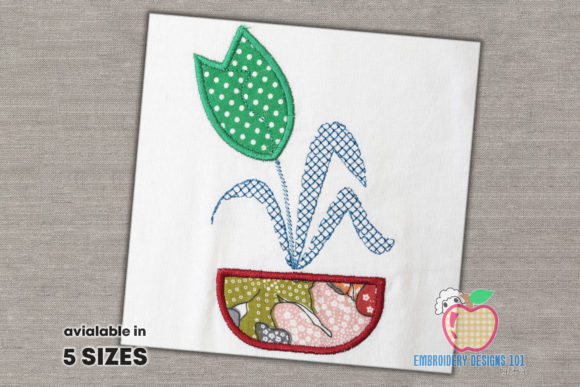
When I first opened the Tulip Flower embroidery file, I was struck by its elegant balance between simplicity and detail. It's a single applique design that feels both classic and slightly whimsical. The petals have a soft curve, and the center adds just enough contrast without overwhelming the eye. It reads clearly as a tulip—no guessing required—making it instantly recognizable for customers who appreciate botanical motifs. This design feels right at home in spring-themed collections, baby items, or boutique kitchen decor.
Real-World Use: Tote Bags, Sweatshirts & Personalized Gifts
I tested Tulip Flower on a medium-weight cotton tote bag, and the result was clean and polished. The satin and fill stitches held up well without puckering, even with a standard tear-away stabilizer. On a sweatshirt, the design maintained its shape and didn't stretch out with the knit fabric, which is always a concern with soft apparel. It scaled nicely to fit the chest area without losing definition. For a custom baby onesie, it added a touch of softness and charm—perfect for a personalized gift or Etsy listing.
Visual Impact: Branding, Value, and Customer Appeal
One of the standout qualities of Tulip Flower is how it elevates a basic item into something handmade and intentional. It's not overly intricate, which makes it ideal for small shop owners who want to offer quality embroidery without high stitch counts or long machine run times. Customers tend to respond well to designs that feel familiar yet elevated, and this one hits that sweet spot. Whether used on a boutique apron or a holiday ornament, it adds visual interest without feeling busy.
Where to Use It Carefully: Fabric, Placement, and Detail
While Tulip Flower performs well in most situations, it does require some attention in specific contexts. On thin or stretchy fabrics like rayon or lightweight knits, I noticed slight distortion around the outer petals. Using a lightweight cutaway stabilizer helped maintain shape and clarity. Dark fabrics can mute the color contrast, so choosing thread colors carefully is important. On curved surfaces like baseball caps, the design still reads well but needs to be centered properly to avoid distortion. The smaller inner details—like the center lines—can get lost if scaled too small, so I recommend keeping it above 3 inches in diameter for optimal clarity.
Design Practicality: Licensing, Mockups, and Stitching Notes
Before using Tulip Flower in any commercial project—especially for resale or digital embroidery files—it's essential to double-check licensing terms. As with any design, confirm that it's cleared for both personal and commercial use. I always test embroidery files on scrap fabric first, and this one stitched out cleanly on the first run. I ran it through a black and white mockup test to check contrast and found that it holds up well even without color. The stitch density felt balanced—dense enough to look solid but not so heavy that it created stiffness in the fabric.
Perfect For: Small Business Embroidery & Digital Product Sellers
If you're an Etsy seller or run a small handmade shop, Tulip Flower works well as a standalone design or as part of a seasonal bundle. It's versatile enough to be used across multiple product types—pillow covers, tea towels, baby bibs, and even embroidered patches. Digital product sellers will appreciate how it previews cleanly in printable mockups, especially when layered over soft pastel backgrounds. For craft fair items or boutique merchandise, it adds a touch of handmade charm that appeals to a wide audience.
Stitching Tips from a Working Designer
- Test the design on scrap fabric before stitching on your final product
- Use a lightweight stabilizer for soft or stretchy materials
- Check thread color contrast on both light and dark fabrics
- Avoid scaling too small to preserve detail clarity
- Confirm licensing before using in commercial or resale projects
- Inspect satin-stitched edges for smoothness and coverage
- Run a black and white mockup test to assess visual balance
Final Thoughts: A Versatile Design Worth Adding
As a designer who uses embroidery files daily—whether for client work, handmade items, or digital product sales—I find Tulip Flower to be a reliable and attractive option. It doesn't overcomplicate things, but it still delivers a professional finish. Whether you're embroidering a custom tote bag for a customer or creating a digital embroidery bundle for your shop, this design earns its place in your toolkit. It's the kind of floral embroidery that feels timeless, not trendy—making it a smart choice for both personal and small business use.