Reviewing Rose Flower: A Designer’s Take on Real-World Embroidery Use
First Impressions: Chic, Versatile, and Ready for Custom Projects
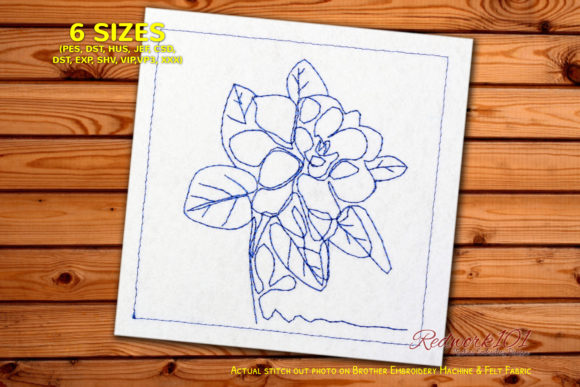
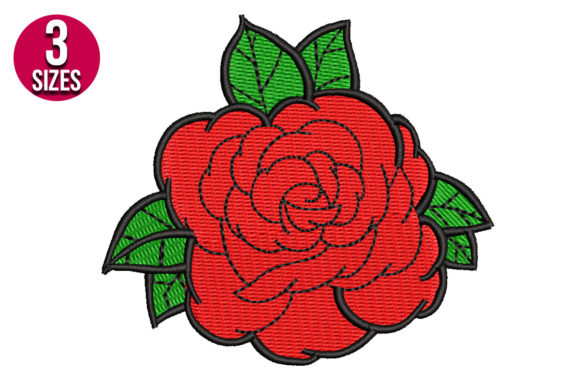
The Rose Flower embroidery design immediately stands out with its elegant curves and balanced layout. It feels like a classic floral motif with a modern twist, making it suitable for both vintage-inspired and contemporary handmade goods. The stitch detail gives it a dimensional quality without appearing overly dense, which is a win for small business owners looking to stitch on a variety of fabrics without worrying about puckering or distortion.
From a design perspective, Rose Flower feels like a flexible asset. It doesn’t scream “wedding” or “baby shower” — instead, it quietly says “refined” and “handmade with care.” That kind of visual neutrality makes it easy to slot into different product lines, from boutique tote bags to embroidered nursery pillows.
Real-World Use: From Sweatshirts to Holiday Gifts
I recently tested Rose Flower while prepping a custom embroidered tote bag for a local boutique. I stitched it on medium-weight cotton canvas with a standard tear-away stabilizer, and the result was clean and sharp. The satin-stitched outer petals held their shape well, and the fill stitches inside gave the design enough depth without making the fabric stiff.
Next, I tried it on a lightweight sweatshirt for a personalized gift. Here’s where the design really showed its strength — it scaled well without losing clarity. I was worried about the inner details getting lost in the nap of the fabric, but the stitch layout handled the texture gracefully. The final embroidered piece looked intentional and high-quality, exactly what a customer would expect from a handmade item sold at a premium.
When I stitched Rose Flower onto a baby onesie, I was cautious about thread density and potential irritation. I used a soft cutaway stabilizer and tested on a similar-weight scrap first. The result was smooth and comfortable against the skin, which is a big plus for parents looking for safe, personalized baby items.
Where to Use Rose Flower Carefully
While Rose Flower is quite adaptable, there are some project types where you’ll want to be cautious. For example, stitching it on curved surfaces like baseball caps requires a bit more planning. The shape of the cap can distort the flow of the petals, especially if the hoop size is tight. I’d recommend testing on a cap blank first or adjusting placement to avoid the most curved sections.
Dark fabrics are another consideration. The design uses a fair amount of light-colored fill stitches, so if you’re stitching on black or navy, thread contrast becomes crucial. I’d suggest using a mockup tool or stitching a sample on dark fabric with the same thread colors to make sure the rose doesn’t get lost visually.
Stretchy fabrics like jersey or rib knit also require some prep. Without the right stabilizer and tension settings, the satin-stitched outlines can pucker or distort. I found that using a lightweight tear-away stabilizer underneath and a light spray adhesive on top helped maintain the integrity of the design without stressing the fabric.
How Rose Flower Boosts Product Value and Customer Appeal
One of the biggest selling points of Rose Flower is how it elevates the perceived value of a finished product. Whether you're embroidering a simple tea towel or a custom wedding handkerchief, this design adds a touch of sophistication. It reads as intentional and well-crafted, not just decorative.
For Etsy sellers and craft business owners, that kind of visual appeal translates into better customer engagement. The design has a strong recognition factor — it’s not too common, but still familiar enough to feel comforting. That balance makes it ideal for gift items, especially around holidays or special occasions like Mother’s Day or bridal showers.
From a branding standpoint, Rose Flower can also help maintain a cohesive look across your product line. If you sell embroidered home decor or boutique apparel, this design fits naturally into a variety of color schemes and styles. It’s versatile enough to be used on its own or paired with coordinating motifs, giving you creative freedom without sacrificing consistency.
Designer Notes: What to Check Before Stitching
Before diving into your next project with Rose Flower, here are a few practical tips I’ve picked up from real-world use:
- Test on scrap fabric first, especially if you’re using textured or stretchy materials. This helps you catch any density or alignment issues early.
- Check thread color contrast by stitching on both light and dark fabric swatches. This will help you choose the best combo for visibility and appeal.
- Confirm hoop size compatibility with your machine. If you’re working with a small hoop, parts of the design may need editing or resizing.
- Use the right stabilizer for your fabric type. For soft or stretchy materials, a lightweight cutaway can make a big difference in stitch quality.
- Inspect small details like inner petals or leaf veins. If they’re too fine, they might not stitch well on certain fabrics or at smaller sizes.
- Test the design in black and white mockups to see how it will look in monochrome settings, especially if you sell digital embroidery files or printable mockups.
- Review licensing terms before using Rose Flower in commercial projects or reselling finished products. Make sure you’re allowed to use it in your business context.
Final Thoughts: A Solid Choice for Real Embroidery Projects
After using Rose Flower across multiple project types — from sweatshirts to embroidered patches — I’d say it’s a reliable, well-constructed machine embroidery design. It handles different fabrics and applications with surprising ease, and it brings a level of visual polish that’s hard to achieve with generic floral motifs.
Whether you're an Etsy seller building a new product line or a craft business owner looking for a go-to floral accent, Rose Flower is worth adding to your design assets. Just remember to test, plan, and pair it thoughtfully with your materials and thread choices, and it’ll serve you well in both personal and commercial embroidery work.