Cactus Embroidery Design: Summer Vibe Meets Practical Stitching
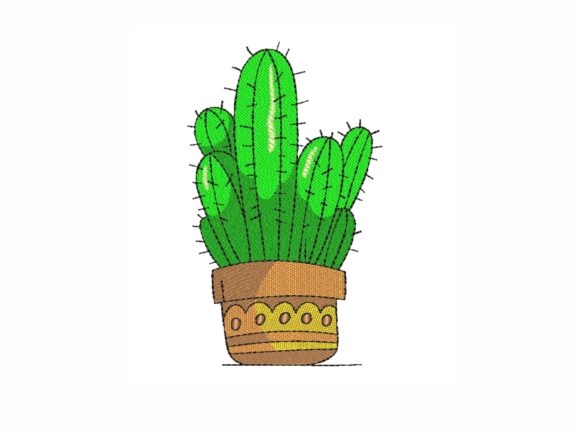
When I first opened the embroidery file for Cactus, I was struck by how it effortlessly channels a warm, playful energy. It's the kind of design that feels like a breath of fresh air—literally and figuratively. The cactus motif is stylized without being cartoonish, and it carries just the right balance between simplicity and character. As a designer who regularly stitches for both personal projects and client work, I appreciate how this design can slot into a variety of contexts without demanding too much in return.
First Impressions: Laid-Back Aesthetic with Design Flexibility
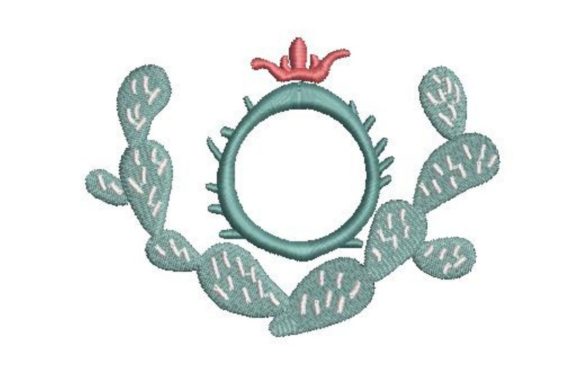
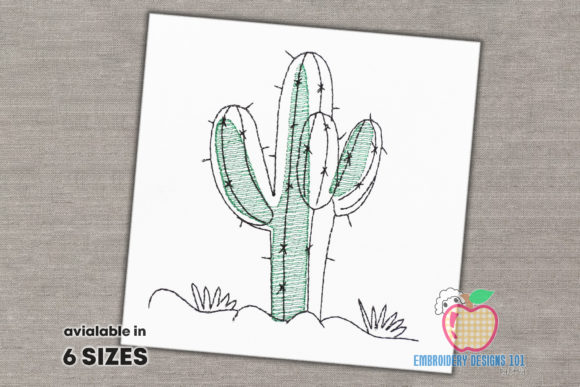
Cactus is, at its core, a single-flower embroidery design with a modern twist. It leans into the desert-inspired trend without being over the top, and that makes it versatile. The layout feels balanced, with enough visual weight to stand out but not so much that it overwhelms smaller spaces. The level of detail is just right—clean lines, defined edges, and subtle texture in the fill stitches. It gives off a handmade charm that's ideal for small batch makers and Etsy sellers looking to add a touch of warmth to their product lineup.
This design immediately made me think of tote bags and linen tea towels—items that benefit from a splash of personality without going overboard. It also feels like a natural fit for baby onesies or embroidered patches, where simplicity and charm are key.
Real-World Use: From Tote Bags to Sweatshirts
I tested Cactus on a few different materials to see how it would hold up. Starting with a standard cotton tote bag, the design stitched out cleanly. The satin and fill stitches worked well together, and there was no puckering or distortion. The thread contrast was crisp, and the overall look felt polished—perfect for a boutique-style product.
Next, I moved to a heavier fabric: a cotton-blend sweatshirt. The machine embroidery design handled the denser material without issue. The stitch density was appropriate, and the stabilizer did its job. The cactus motif looked great centered on the chest—casual, cheerful, and easy to customize with a name or date for a personalized gift.
When I stitched it onto a baby bodysuit, the design scaled down nicely. I made sure to use a smaller hoop and a soft stabilizer to avoid stiffness. The result was soft to the touch and looked adorable. It’s definitely a design that can work for a newborn photography prop or a handmade gift for a baby shower.
Where to Use Cactus with Care
While Cactus is a solid performer, there are a few scenarios where extra attention is needed. On stretchy fabrics like jersey or knits, it’s important to use a cutaway stabilizer to prevent distortion. I noticed slight shifting when I tested it on a thinner cotton T-shirt without proper support.
Dark fabrics can also present a challenge, especially if the thread colors are light. I recommend checking the contrast before stitching. I did a quick black-and-white mockup and realized that a few of the lighter fill areas got lost against a dark background. Adjusting the thread colors helped restore clarity.
For curved surfaces like caps or cylindrical items like baby bottles, you’ll want to make sure the hoop size and design placement allow for smooth stitching. The corners of the cactus shape can be tricky if the fabric isn’t taut enough.
Visual Impact and Market Appeal
One of the strongest points of Cactus is its visual appeal. It’s simple enough to stitch quickly, yet distinctive enough to add value to a finished product. Whether you're selling embroidered patches or custom tote bags on Etsy, this design can help elevate your brand’s handmade presentation.
I’ve found that customers respond well to this type of motif—especially during the spring and summer months. It has a universal charm that works for both kids and adults, and it’s versatile enough to fit into seasonal collections. For example, I stitched it onto a linen pillow cover with a “Happy Summer” text overlay, and it sold quickly at a local craft fair.
From a branding perspective, Cactus offers a cohesive look that can be repeated across different product lines. If you're building a small shop with a nature-inspired theme, this embroidery file can serve as a unifying element across tote bags, tea towels, and baby items.
Designer Notes: Practical Tips for Using Cactus
Before diving into a project with Cactus, I always run a few checks to ensure the best results:
- Test on scrap fabric first, especially if you're using a new material or color combination.
- Review stitch density to avoid puckering or stiffness, especially on thinner or stretchy fabrics.
- Confirm hoop size matches your machine’s capabilities, especially if you're scaling the design up or down.
- Inspect small details like leaf edges or flower centers to make sure they’re stitching cleanly.
- Use proper stabilizer based on fabric type—cutaway for stretchy materials, tear-away for stable weaves.
- Check licensing terms if you plan to sell the finished product or include it in a digital embroidery bundle.
I also recommend testing Cactus in black and white mockups to assess how it will look on both light and dark backgrounds. This is especially helpful if you’re planning to offer variations of the same product.
Final Thoughts: A Versatile Design for Real Projects
Overall, Cactus is a well-constructed embroidery design that delivers both aesthetic charm and practical usability. It’s easy to stitch, scales well across different sizes, and fits naturally into a wide range of products—from custom apparel to personalized gifts. For small shop owners and digital product sellers, it’s a smart addition to your design assets.
If you're looking for a machine embroidery design that’s both marketable and reliable, Cactus deserves a spot in your collection. It’s the kind of design that quietly boosts the value of your handmade items without demanding extra effort. And in the world of embroidery, that’s a rare and valuable thing.