Rose and Flowers: A Floral Embroidery Worth Stitching
First Impressions: Sweet, Versatile, and Slightly Playful
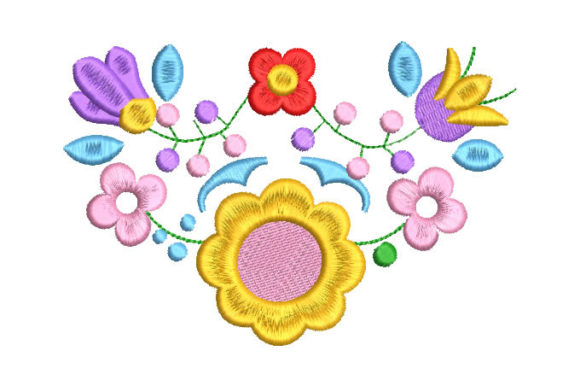
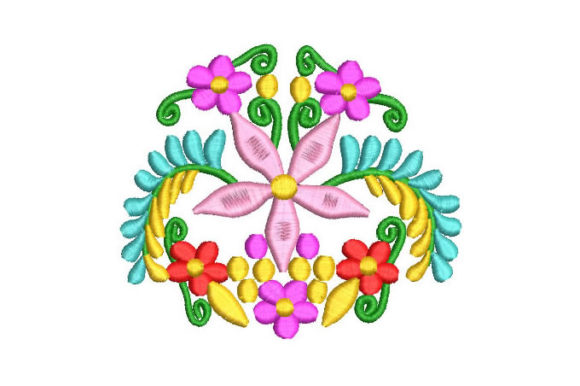
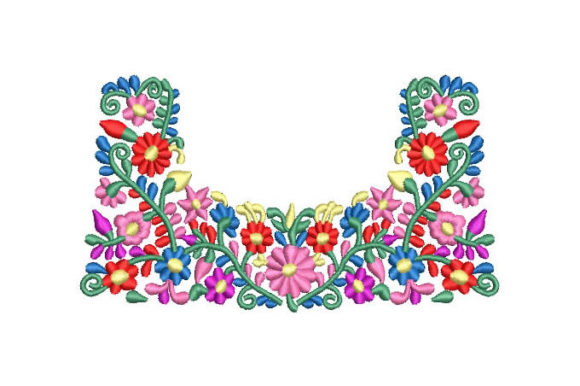
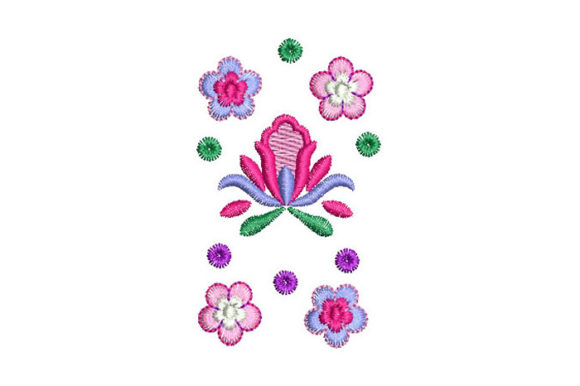
The first time I opened the Rose and Flowers embroidery file, I was struck by its cheerful color palette and soft curves. It’s the kind of design that feels both familiar and fresh—like a garden snapshot stitched into a digital format. The layout flows naturally, with roses and smaller floral accents arranged in a loose bouquet shape. It doesn’t scream for attention but instead invites a closer look, which is great for handmade items where subtlety meets craftsmanship.
It gives off a warm, slightly whimsical vibe, making it ideal for projects that need a touch of elegance without being overly formal. Whether stitched onto a linen pillow cover or a cotton tote bag, this design feels like it belongs—like it was made for the fabric, not just placed on it.
Real-World Use: From Sweatshirts to Nursery Decor
I tested Rose and Flowers on a few different items, starting with a custom sweatshirt for a client who wanted a subtle floral accent on the chest. The stitch-out was clean, and the satin and fill stitches held up well even after a quick wash. The floral bouquet didn’t overpower the garment, which was exactly what the client wanted.
Next, I tried it on a baby burp cloth, and it performed surprisingly well. Even on a thin cotton weave, the design held its shape and didn’t pucker. I used a light-weight stabilizer and a neutral thread for a softer look, and it gave the fabric a boutique-style finish. For Etsy sellers or small craft businesses, this could be a go-to design for baby items, especially if you’re offering personalized embroidery with names or dates.
I also stitched it onto a kitchen towel, and while it added a lovely decorative touch, I noticed that the density of the fill stitches made the fabric slightly stiff in that area. It wasn’t a dealbreaker, but it’s worth noting if you’re planning to use it on everyday linens where softness matters.
Where to Use It—and Where to Be Cautious
Rose and Flowers is a versatile design, but like any embroidery, it has its sweet spots and limitations. It works beautifully on flat, stable fabrics like cotton, linen, and mid-weight blends. It also holds up well on items like aprons, tote bags, and pillow covers—especially if you’re aiming for a cozy, handmade aesthetic.
- Great for boutique-style apparel and personalized gifts
- Works well on home decor items like curtains and tea towels
- Looks charming on embroidered patches and custom sweatshirts
However, I’d be cautious using it on certain materials and surfaces:
- Stretchy fabrics: The satin stitches might pull or distort
- Dark fabrics: Some of the lighter floral details may not pop as expected
- Small hoop sizes: The bouquet shape might get cramped
- Curved surfaces (like caps): Details in corners could get lost
If you're using it on a curved surface or stretchy fabric, consider simplifying or resizing the design to fit better. Also, always test on scrap fabric first—especially if you're using it for a commercial embroidery job or a custom order where the client expects perfection.
Visual Appeal and Professional Impact
One of the things I appreciate most about Rose and Flowers is how it elevates the perceived value of a finished product. On a basic tote bag, it instantly gives it a handmade, boutique feel. For Etsy sellers, that’s huge—it makes items feel more premium without requiring complex stitching or high-end materials.
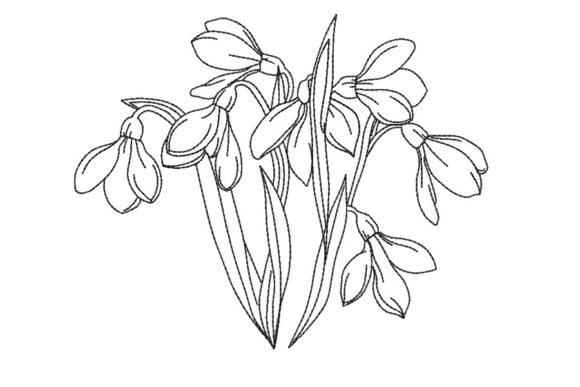
From a design perspective, the layout is balanced and not too busy. It reads well in both color and grayscale mockups, which is important if you’re creating digital previews for customers or listing embroidery files for sale. I tested it in a black-and-white printable mockup, and it still looked cohesive and intentional.
For crafters and small business owners, this design can help build brand consistency. If your shop leans toward soft, floral aesthetics, this embroidery could become a recurring design element—used across items like patches, baby clothes, and holiday gifts. It’s recognizable without being too repetitive, which is key for repeat buyers and brand recognition.
Designer Notes: What to Check Before You Stitch
Before using Rose and Flowers in a real project, here are a few things I recommend checking:
- Thread color contrast: Make sure the colors included in the file work with your fabric choice
- Stitch density: Dense areas may affect fabric drape, especially on thinner materials
- Hoop size: Confirm it fits your machine and that the design isn’t compressed
- Stabilizer type: Use a medium-weight tear-away or wash-away depending on fabric texture
- Commercial use: Double-check licensing if you plan to sell finished products or digital embroidery files
Also, test the design in both light and dark backgrounds. I noticed that some of the lighter floral elements got lost on a black sweatshirt, so I adjusted the thread colors slightly to maintain visibility. A quick test run can save time and materials in the long run.
Final Thoughts: A Solid Choice for Everyday Embroidery
Overall, Rose and Flowers is a well-balanced, aesthetically pleasing embroidery design that works across a range of projects. It’s not overly complex, which makes it accessible for both hobbyists and small business owners, yet it has enough detail to feel special.
For those selling on Etsy or at craft fairs, this design can help elevate your product line without requiring advanced embroidery skills. It’s the kind of design that can be used again and again—slightly adjusted for different items, but always maintaining its core charm.
If you’re looking for a floral embroidery that feels both classic and contemporary, and that can perform well in real-life stitching situations, Rose and Flowers is definitely worth a closer look.